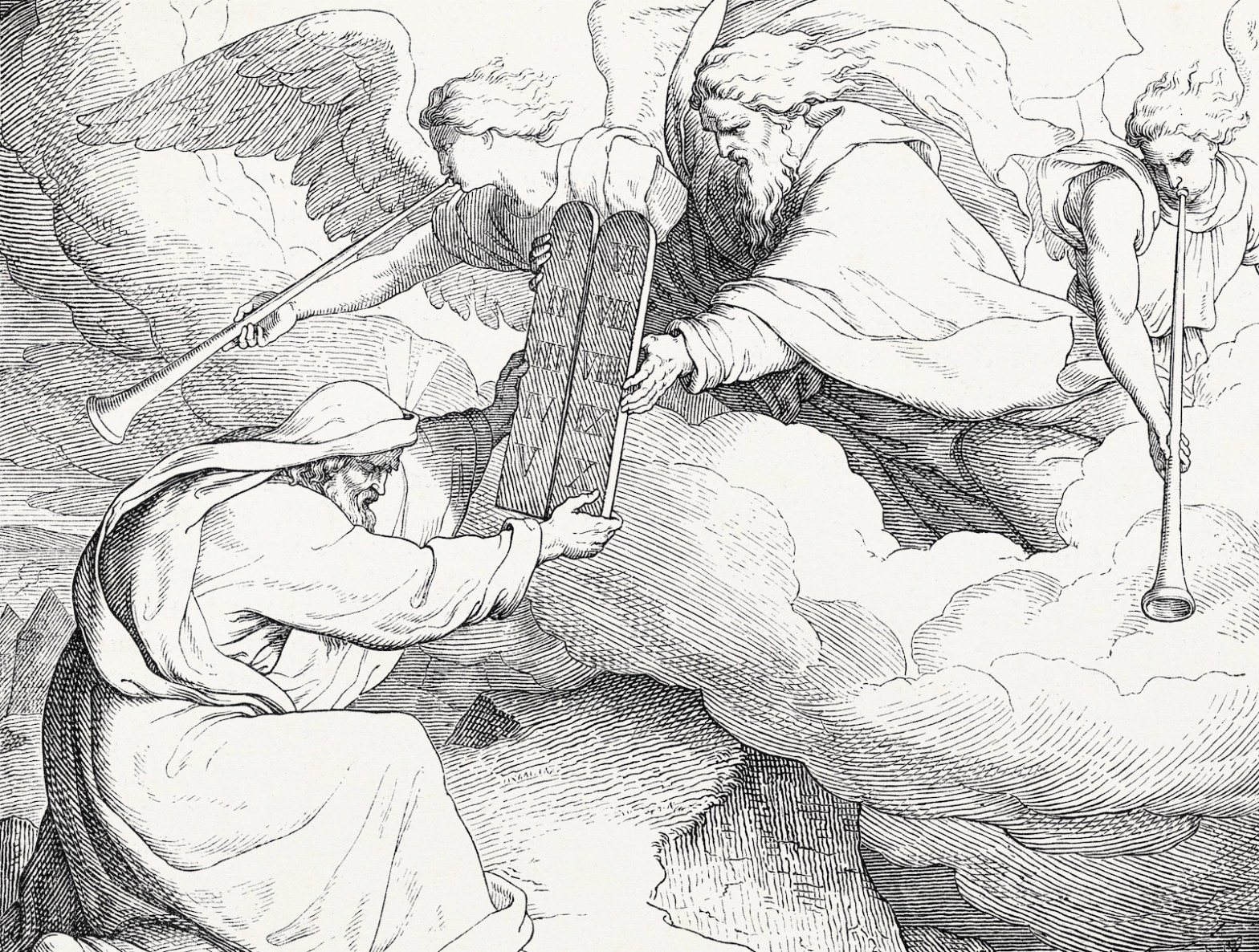
“I will love thee, O Lord, my Strength: the Lord is my Firmament, my Refuge, and my Deliverer. My God is my Helper, and in Him will I put my trust. My Protector and the Horn of my salvation, and my Support. Praising I will call upon the Lord, and I shall be saved from my enemies. The sorrows of death surrounded me, and the torrents of iniquity troubled me. The sorrows of hell encompassed me, and the snares of death prevented me. In my affliction I called upon the Lord, and I cried to my God; and He heard my voice from His holy temple: and my cry before Him came into His ears.”
Psalm 17(18) [link]
I say this so often, but when we love somebody with all our hearts, we want to know more and more about them. When they are our children and grandchildren, we are often interested in what they get up to at school and elsewhere. When they are our parents (except when we are resentful teenagers perhaps) we seek to respect them and to at least understand their philosophies or world-view. When they are to be our spouses, we cannot know enough about every little thing to do with them.
Well, God our Father has two aspects in His relationship both to an individual human soul and to the Church (both in the New Testament and the Old): He presents Himself either as Creator and Father, or He presents Himself as a husband, or indeed a lover. The relationship He invites us into is then has the intimacy both of the parent-child dynamic and of the love of spouses. He knows us through and through, for He knitted us together in our mother’s wombs (per psalm 138/139). Should we not try to learn more about Him, and His ways, and His plan for us?
This desire to know the eternal Father has inspired the Saints of every age, in both the Old and the New Testament periods. It is documented for us in Scripture, and in the Lives of the Saints, both of which should be of great interest to us. What does God’s love mean to me today, and to you? Well, there is always a Saint very like each of us in a stained-glass window or in a picture somewhere, perhaps holding a representation of a book or scroll that they treasured. These books and scrolls in pictures and icons, in the hands of great Saints, in the Old Testament were the Torah (the first five books of the Bible, commonly attributed to Moses) or the Prophecies (a sort of magisterium or teaching authority of a former time, for many of the old prophets were Temple priests), and in the New Testament were either books studied by great masters of the spiritual life, or the books the Saints themselves wrote about the same topic: communion and intimacy with God, which (God-willing) is the end for every one of us.
“But the Pharisees hearing that He had silenced the Sadducees, came together, and one of them, a doctor of the law, asking Him, tempting Him: Master, which is the greatest commandment in the law? Jesus said to him: Thou shalt love the Lord thy God with thy whole heart, and with thy whole soul, and with thy whole mind. This is the greatest and the first commandment. And the second is like to this: Thou shalt love thy neighbour as thyself. On these two commandments dependeth the whole Law and the prophets.”
Gospel of S. Matthew, 22: 34-40 [link]
In our gospel reading this weekend, one of the pharisees comes up to Christ and asks Him a question they probably held in common, in the equivalent these men had to debating societies. But here, as S. Matthew says, they were attempting to trap Him in words again. There are just over six hundred commandments in the Torah, both great and small, that had to be fulfilled by every Jewish man for him to be reckoned righteous before God. Which could be the greatest? There were at least two pharisaic schools of thought in those days, and several other Jewish sects as well, perhaps with their own ideas for an answer. We get the Christian principle straight away from Christ, for He tells us the basis of all those commandments at once. It is the love of God, and the love of neighbour – the whole point of the Torah of Moses and the Prophets. Elsewhere in the gospel of S. Matthew, He colourfully advises the pharisees that there is no point fulfilling every one of those 613 or so commandments while simultaneously failing to love either God or neighbour.
So, how shall we love God and neighbour, and do so as perfectly as possible? Well, He tells us clearly in Scripture: we shall obey the commandments. And this is the point where I bring up a copy of the Catechism of the Catholic Church for emphasis. The catechisms of the Church have been prepared to give us an authentic and stable interpretation of the Gospel message for our times, for the use of both clergy and laity. We have the common Catechism as a gift from the Holy Father John Paul II, which is a great, big reference book, and a much smaller version given to us as a compendium by the Holy Father Benedict XVI; and for those of us with more time and interest, there is the old Catechism of the Council of Trent that our parents and grandparents would have known to some extent, thanks to the labour of their own priests.
We know how Scripture and Tradition are so important to the Christian life. We don’t always think about how important the magisterium (teaching authority) of the bishops is. As the Holy Father Benedict, who was so influential in providing us with our modern catechism, used to say, we should embrace the Catechism and get to know it well. For it is a wealth of information on the mind of God, particularly with respect to modern questions that the authors of the New Testament and the early Fathers of the Church did not in their own time answer. We Catholics don’t have to guess or postulate very much then about the moral quandaries of our times.
Few of us are visionaries, who have had appear to us God Himself, or His angels, or His Holy Mother, or His Saints. But He has given to us the bishops as His shepherds, to guide us as Moses did the Hebrews in the first reading, to guide us unto a perfect love of Christ, so that we can stand up with confidence and respond as we have done with our response to the psalm today: I love you, o Lord, my Strength.

