
“Christ chooses the foolish to confound the wise, and the way that He built these two men up – the fisherman and the religious scholar – to become pillars of the Church…”
Tag Archives: the acts of the apostles
The saga of salvation history (Pentecost Sunday)

“We tend to focus on extraordinary things, like the Apostles being able to speak in many languages and everybody’s surprise about this. But the Holy Ghost doesn’t come to give us extraordinary powers for the sake of giving us extraordinary powers.”
As soldiers of Christ (Sunday VI of Easter)
“Having an answer implies an intellectual part to the Christian struggle – we are to study the Scripture and the teachings of the Church. But! But not all of us are Scripture scholars or have the time in our busy lives to…”
The Way, the Truth and the Life (Sunday V of Easter)
When we say that God is Love, what do we Christians actually mean? We don’t mean some mushy sentiment of love that can last for a day, or a year, or a few years. We mean an intentional and self-giving love, such as the ones many of us hopefully have found in marriage. Such aContinue reading “The Way, the Truth and the Life (Sunday V of Easter)”
Brothers, what must we do? (Sunday IV of Easter)

“What must we do?!” This is cry of the repentant, the penitent; the cry of the men in our first reading today who were duped by the Temple priests into forming a mob and calling for the death of Christ. S. Peter, who is himself not shy of acknowledging that he had denied Christ (threeContinue reading “Brothers, what must we do? (Sunday IV of Easter)”
The road to Emmaus (Sunday III of Easter)
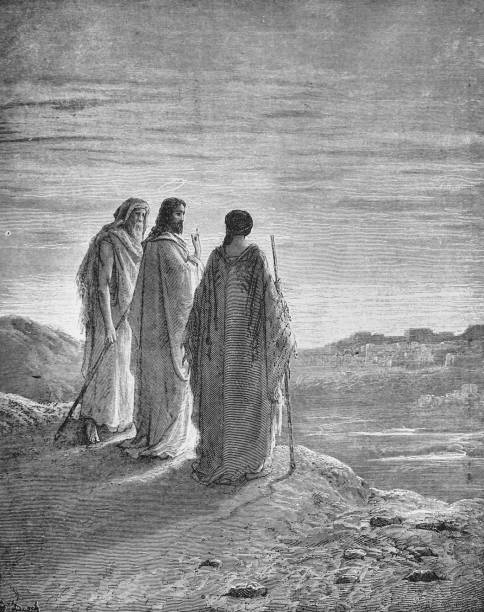
“…true religion is not about letters in a book – readings and homily only go so far. True religion is about communion with a Person.”
The Christian priesthood (Sunday II of Easter)
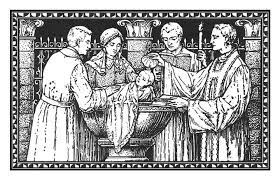
“…you are children new-born, and all your craving must be for the soul’s pure milk, that will nurture you into salvation…”
The Baptism of the Lord (Sunday I of Ordered time)
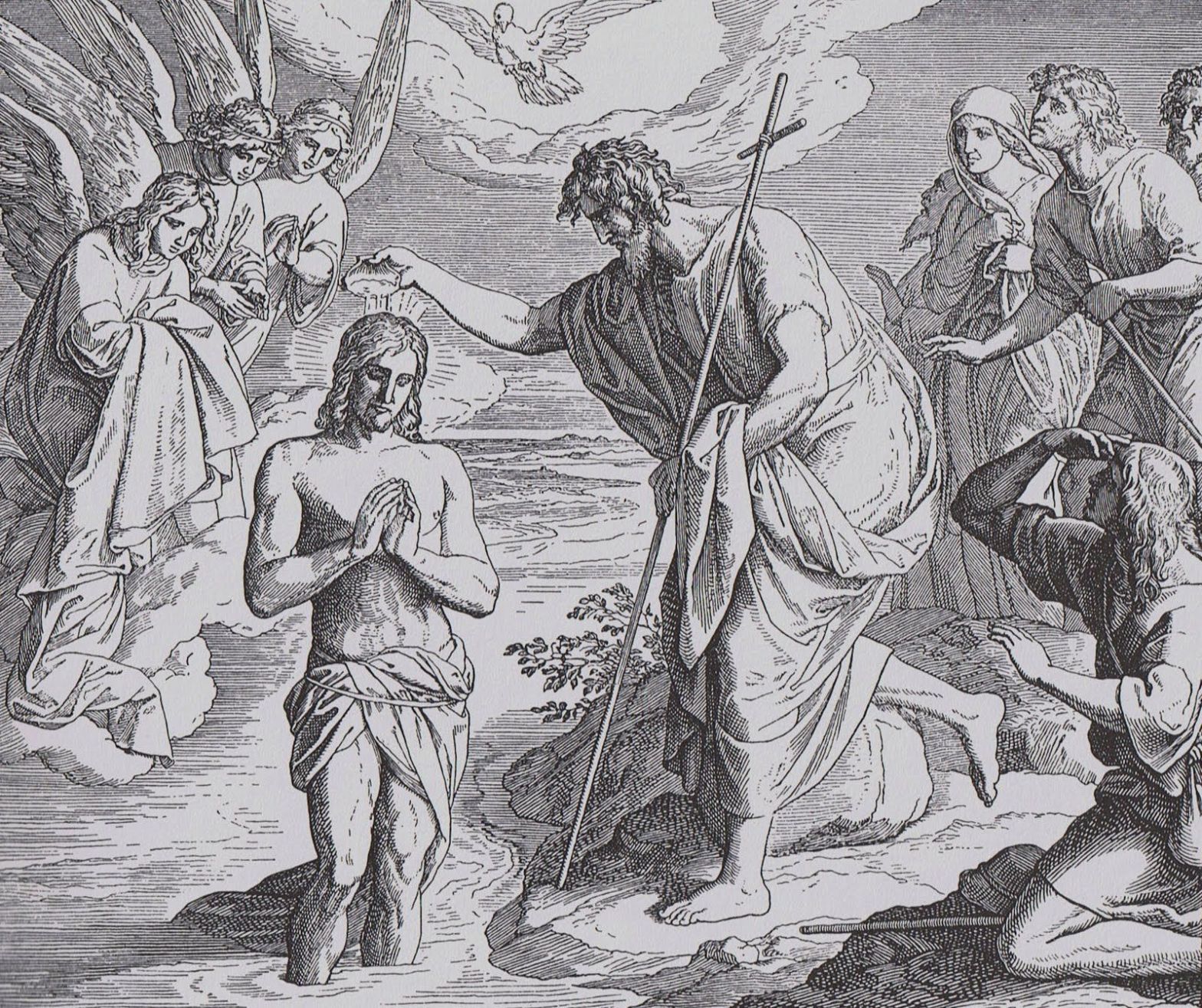
“…that’s what baptism is all about. Purification. Reaching back in history behind sin and death to remove mankind from the tyranny of the devil, and put them back into the Garden of Eden…”
‘I have fought the good fight, I have kept the faith…’ (feast day of S. Peter and S. Paul)
“Christ immediately after that appointment of Peter as steward/vicar starts to talk about His own passion and death, His resurrection and His departure. Peter would have a very real job in His absence.”
Come, Lord Jesus (Sunday VII of Easter)

“this doesn’t mean that we are to be great singers; some of us certainly may be, the rest of us are assuredly not. But early on, music in worship became for us a sign of solemnity, a sort-of joining in with the angels in the heavenly Temple.”
The Apostolic Church (Sunday VI of Easter)
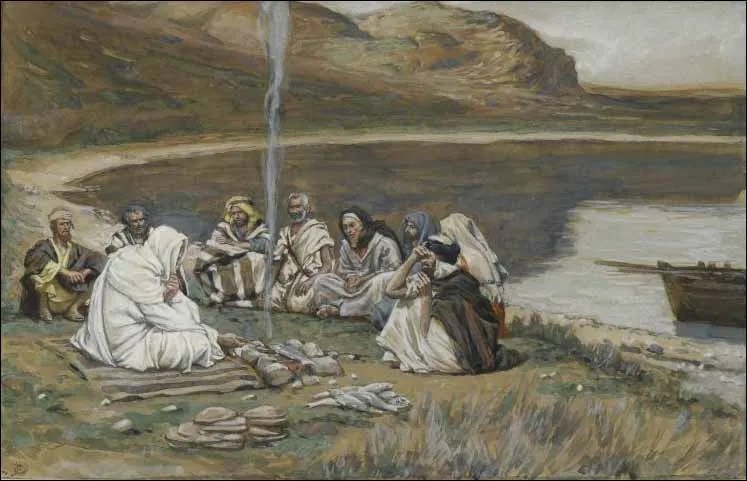
“…as we get closer to Pentecost, we shall consider more and more the work of the Holy Spirit within the Church, exercising His divine power through the appointed men, our bishops and priests.”
Prayer and fasting (Sunday V of Easter)

I thought I’d end my quick survey of the Rosary this weekend. I had intended to talk generally about Marian devotion, and I think that I have so far, because the Rosary is the devotion that comes to our minds when we think of Marian devotion. I thought I would end with practical suggestions aboutContinue reading “Prayer and fasting (Sunday V of Easter)”
Bearing witness (Sunday III of Easter)
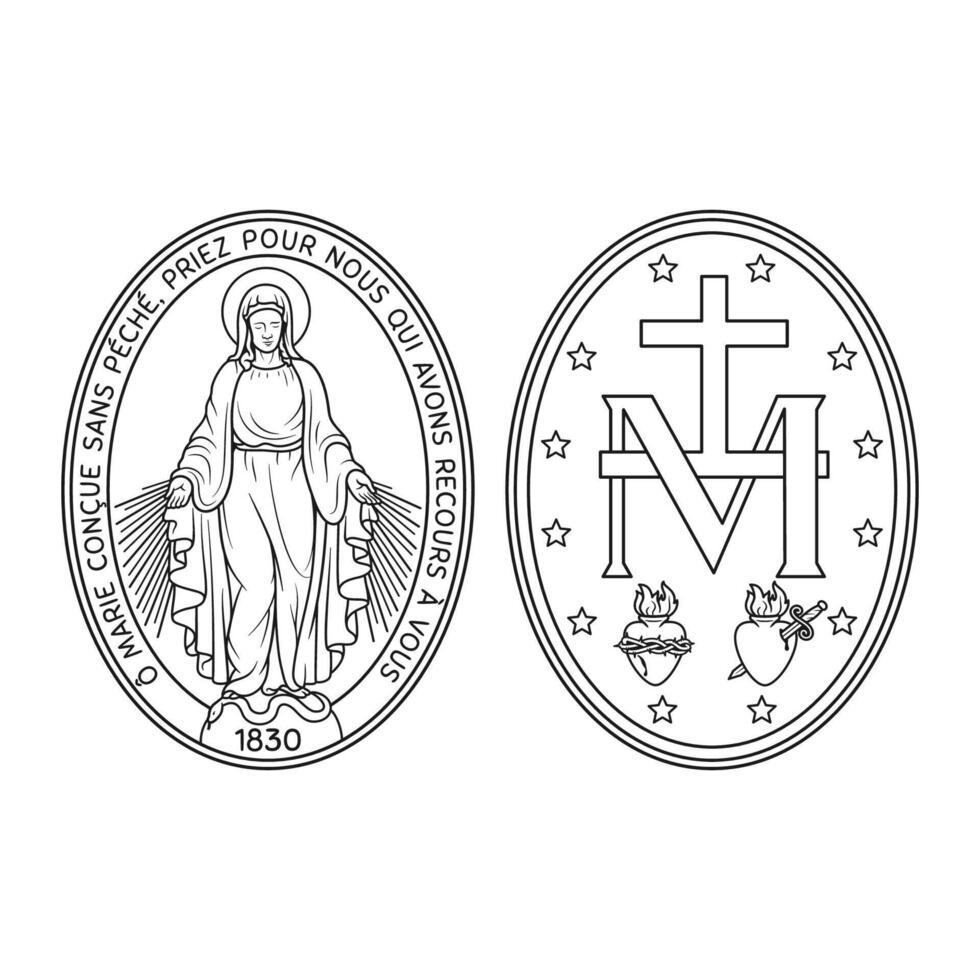
It’s the month of May and I thought I would talk a little about the Rosary. I shall use the contents of a book called the Secret of the Rosary by the French priest S. Louis-Marie de Montfort. We don’t always remember why this great prayer of the Church is called ‘the rosary.’ It hasContinue reading “Bearing witness (Sunday III of Easter)”
Confession, reconciliation and Divine Mercy (Sunday II of Easter)
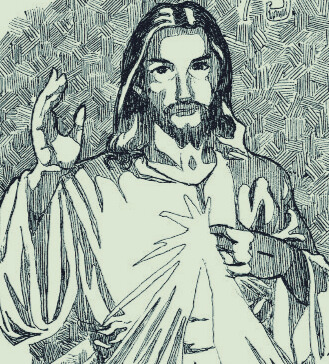
“…let us meditate today on the power of Divine Mercy, Christ’s call to repentance, the agency of the Christian priesthood in this, and the endless love of the heart of God our Lord.”
Reading through the letter of S. Paul to the Galatians

Dear Saint Paul, travelling miles everywhere to preach the Gospel to everybody who would listen, and there always followed in his wake other preachers who tried to get the new Christians to become judaised, taking on superficial symbols of Jewish belonging. This meant primarily circumcision, which resulted in the full obligation of these men andContinue reading “Reading through the letter of S. Paul to the Galatians”
Engraved upon our hearts (Pentecost Sunday)
We suitably terminate our seven weeks of Easter with today’s festival of Pentecost. This is not necessarily a Christian system; it is a Jewish one. Long before our Lord walked this earth as a man, the Hebrew nation celebrated their liberation from slavery in Egypt with the festivals of Passover and of unleavened bread. ImmediatelyContinue reading “Engraved upon our hearts (Pentecost Sunday)”
The unifying love that is friendship (Sunday VI of Easter)
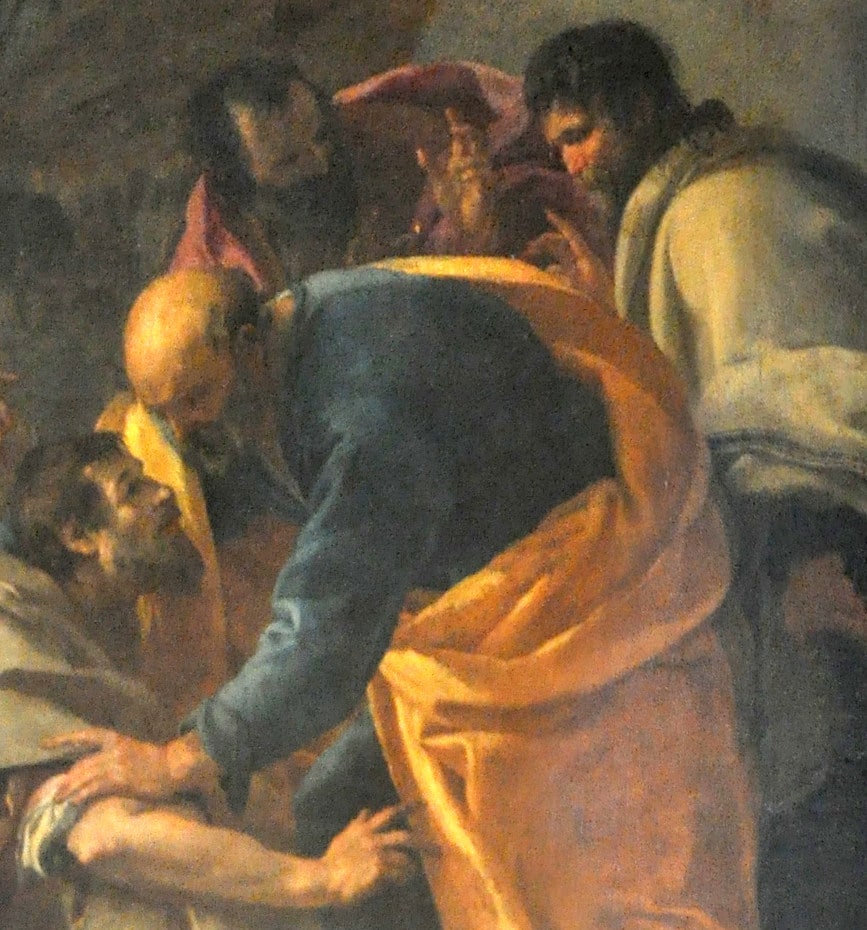
Cornelius, a leading character of our first reading this weekend, was a Roman, and so not Jewish, although not necessarily a pagan, for he was sufficiently devoted to the God of Israel to received the angelic vision that led him to call for the Apostle S. Peter. The Romans looked down upon the Jews asContinue reading “The unifying love that is friendship (Sunday VI of Easter)”
One in Christ, Jew and Gentile (Sunday V of Easter)

One of the books I have been reading this week was written by a Jewish rabbi from Rochester in the US, who a few decades ago came to a understanding of Our Lord Jesus Christ that his fellowmen mostly abhor. He realised that Christ was the Hebrew Messiah long awaited by the Jews. This man’sContinue reading “One in Christ, Jew and Gentile (Sunday V of Easter)”
The Old Testament and the New (Sunday III of Easter)

Let’s try to find a common thread for all of our readings at Mass this weekend. There is first of all the sermon of Saint Peter on the occasion of a miracle of healing performed upon a cripple in Christ’s Name. “Peter, when he saw it, addressed himself to the people; ‘Men of Israel,’ heContinue reading “The Old Testament and the New (Sunday III of Easter)”
Reading through the Acts of the Apostles

I’m not certain exactly how to summarise the Acts of the Apostles. Saint Luke did not write it precisely as a history, as we understand histories today, any more than he wrote his Gospel as a history. Rather, the Acts is his continuation of that Gospel demonstrating the ongoing abiding of Christ with His Church in theContinue reading “Reading through the Acts of the Apostles”
Jews and Gentiles together (the 20th Sunday of OT)

“…the time had come for the promises made by God to the Hebrews to be applied to non-Jews. It took a long time for the Apostles themselves to realise this…”

